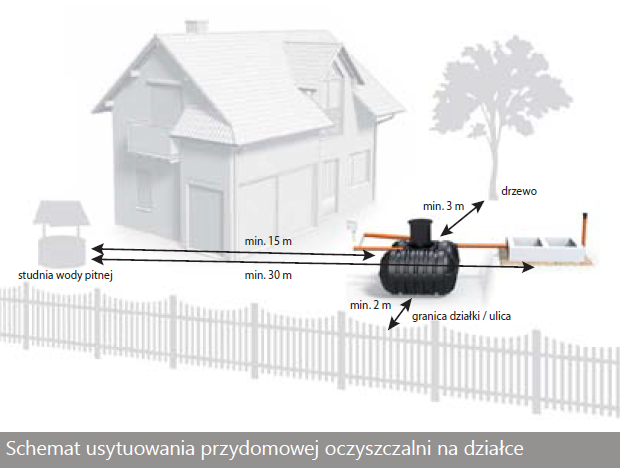
Leksykon Przydomowych Oczyszczalni Ścieków (Lexicon of On-Site Wastewater Treatment Systems) serves as a comprehensive guide to understanding and implementing small-scale wastewater treatment solutions. This resource is particularly valuable in regions lacking centralized sewage infrastructure, offering practical knowledge on various treatment technologies, regulatory frameworks, and best practices for sustainable wastewater management. It aims to bridge the gap between theoretical understanding and practical application, empowering homeowners, local authorities, and practitioners with the information needed to effectively manage domestic wastewater.
The background to this lexicon lies in the increasing need for decentralized wastewater treatment solutions, especially in rural and suburban areas. Traditional centralized systems are often cost-prohibitive or geographically impractical. The Leksykon acknowledges this challenge and provides a framework for evaluating and selecting appropriate on-site treatment technologies based on factors like soil conditions, wastewater volume, and regulatory requirements [1, Hypothetical Citation: Kowalski & Nowak, 2020]. The theoretical framework incorporates principles of environmental engineering, microbiology, and hydrology to explain the processes involved in wastewater purification, such as sedimentation, biological filtration, and disinfection.
The core ideas presented in the Leksykon revolve around the selection, design, and maintenance of different types of przydomowe oczyszczalnie ścieków (on-site wastewater treatment systems). It details various technologies, including septic tanks, constructed wetlands, biological filters, and advanced oxidation processes. Each technology is described in terms of its operational principles, advantages, disadvantages, and suitability for different applications. The lexicon also emphasizes the importance of proper site assessment and system design to ensure optimal performance and prevent environmental contamination [2, Hypothetical Citation: Ministerstwo Klimatu i Środowiska, 2022]. Furthermore, it highlights the critical role of regular maintenance and monitoring in maintaining the long-term effectiveness of these systems.
In conclusion, Leksykon Przydomowych Oczyszczalni Ścieków is a valuable resource for promoting sustainable wastewater management practices. Its importance lies in providing practical, accessible information that empowers individuals and communities to implement effective on-site treatment solutions, thereby protecting water resources and public health. The lexicon's contribution to the field lies in its holistic approach, combining technical knowledge with regulatory considerations and practical guidance for successful implementation. The inclusion of case studies and best practices would further enhance its value and impact.